Why a 7-Year-Old Might Need Occupational Therapy Ever watch a 7-year-old struggle with everyday tasks? It’s easy to assume they’ll just ‘figure it out’—but that’s not always the case. That’s where occupational therapy comes in. It’s not about fixing kids. It’s about giving them tools to do things they find hard: handwriting, getting dressed, joining …


Why a 7-Year-Old Might Need Occupational Therapy
Ever watch a 7-year-old struggle with everyday tasks? It’s easy to assume they’ll just ‘figure it out’—but that’s not always the case. That’s where occupational therapy comes in. It’s not about fixing kids. It’s about giving them tools to do things they find hard: handwriting, getting dressed, joining a game.
What is OT?
When you hear “occupational therapy”, you might think desks or offices—but not for kids. Their “job” is learning, playing, making friends, and growing. OT helps them do just that. It’s hands-on. Games. Crafts. Even obstacle courses. It’s about building strength, coordination, sensory tolerance—whatever each child needs.
Why Do Kids Need Occupational Therapy?
There’s no one answer. Sometimes it’s sensory sensitivity. Sometimes it’s motor delays. Some children are on the autism spectrum (ASD) or those with learning differences might find everyday tasks overwhelming and other times? It’s attention, frustration tolerance, or trouble following simple steps.
Signs Your Kid Might Need Help
Here are some signs your child needs occupational therapy, especially considering some of these signs can slip under the radar:
- Writing seems messy or feels painful.
- Scissors, buttons, shoe-laces give them trouble.
- Loud noises, scratchy labels cause meltdowns.
- They struggle to sit still or finish schoolwork.
- Trouble playing with others—sharing, turn-taking, pretending.
One of these might just be a hiccup. A cluster? Worth chatting with someone about.
What Happens in OT?
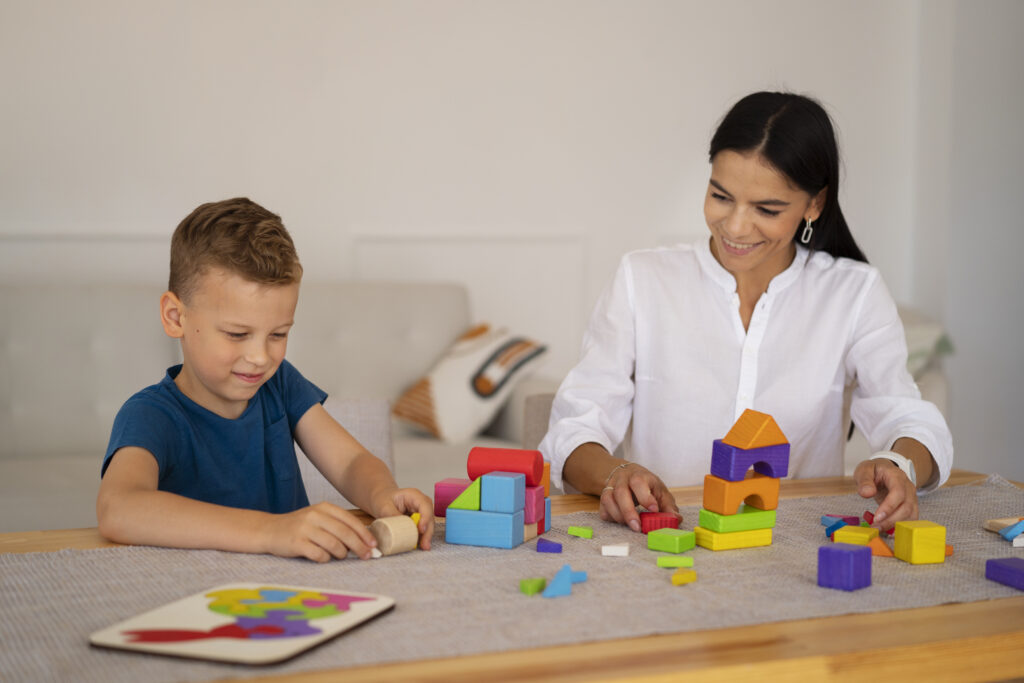
Therapy doesn’t feel like “therapy”. It looks like games or hands-on projects:
- Balancing on a beam.
- Building with Legos or clay.
- Pretend shopping or cooking.
- Simple chores like folding clothes.
Kids work on the real stuff. Therapists check in with parents and teachers—they’re all part of the plan.
The Best Time to Start
Age seven is a pretty great time to start therapy. Kids are still growing. They haven’t missed their chance for improvement. Getting help now can build confidence and momentum.
What’s Next?
If things feel tougher than you should consult your pediatrician. They’ll know whether to test or just watch. And if you want help right away, OT is ready—supporting children in speech, play, or social skills.
At Extra Steps, we understand that every child grows in their own way. Our occupational therapy sessions are built around real-life skills—things like focus, coordination, social confidence, and independence. Whether a child needs help with handwriting, transitions, or simply feeling more comfortable in their world, we meet them where they are and help them take the next step forward. No pressure. Just progress, at their pace.
Final Thoughts
Occupational therapy is all about making things easier for children who are struggling. It could be handwriting, riding a bike, playing with friends or simply dressing themselves. It’s about helping them learn, grow and belong—on their own terms.
Book a Consultation
It’s easy and free!