What are the activities in a pediatric rehabilitation center? You step into a pediatric rehabilitation center, and you feel it instantly – that unique energy. This isn't your usual clinical spot with sterile white walls and hushed hallways. Instead, laughter often bounces around the therapy rooms. You'll see bright, colorful mats spread out, covered in …

What are the activities in a pediatric rehabilitation center?
You step into a pediatric rehabilitation center, and you feel it instantly – that unique energy. This isn’t your usual clinical spot with sterile white walls and hushed hallways. Instead, laughter often bounces around the therapy rooms. You’ll see bright, colorful mats spread out, covered in toys, and therapists right down on the floor, meeting determined little faces eye-to-eye.
This isn’t just about treatment. It’s about moments — like the first time a child takes three unassisted steps and a parent gasps with joy. Or when a nonverbal toddler presses a button on a speech device and finally says “Daddy”. These places don’t just help children move or talk — they help them believe.
At its heart, pediatric rehab guides children toward becoming exactly who they’re meant to be; and the best part is? They’ve got a whole team that believes in them fiercely, even before they fully learn to believe in themselves.
What Is Pediatric Rehabilitation, Really?
Unlike adult rehab, which often focuses on recovering lost skills, pediatric rehabilitation is about laying the foundation. Many children come in not to relearn — but to learn for the very first time.
Some were born with developmental conditions. Others faced injuries, surgeries, or delays that make everyday milestones harder to reach. Whatever the reason, these centers become a second home — where small wins are celebrated like Olympic gold- and families? They’re not just visitors. They’re part of the team.
Physical Therapy: Building Confidence One Step at a Time
You won’t find rows of gym machines here. Instead, think of soft play areas, colorful cones, climbing structures, and tunnels. One little girl might be learning to climb stairs with the help of a therapist holding her hands. In another corner, a boy is walking between parallel bars, counting his steps aloud.
Every movement matters.
Physical therapists guide kids through fun, targeted activities that strengthen muscles, improve coordination, and increase stamina. The best part? Fun is always a top priority! For instance, crawling through tunnels is an amazing way to strengthen their core, and for the children it’s just play. What about standing on a foam pad? That’ll really improve their balance.
And when assistive devices are needed — from walkers to leg braces — therapists not only introduce them but teach families how to use them with confidence.
Occupational Therapy: The Daily Life Experts
When your job is being a kid, your “occupation” is to do things like brushing your teeth, getting dressed, feeding yourself, playing, and going to school. That’s where occupational therapists shine.
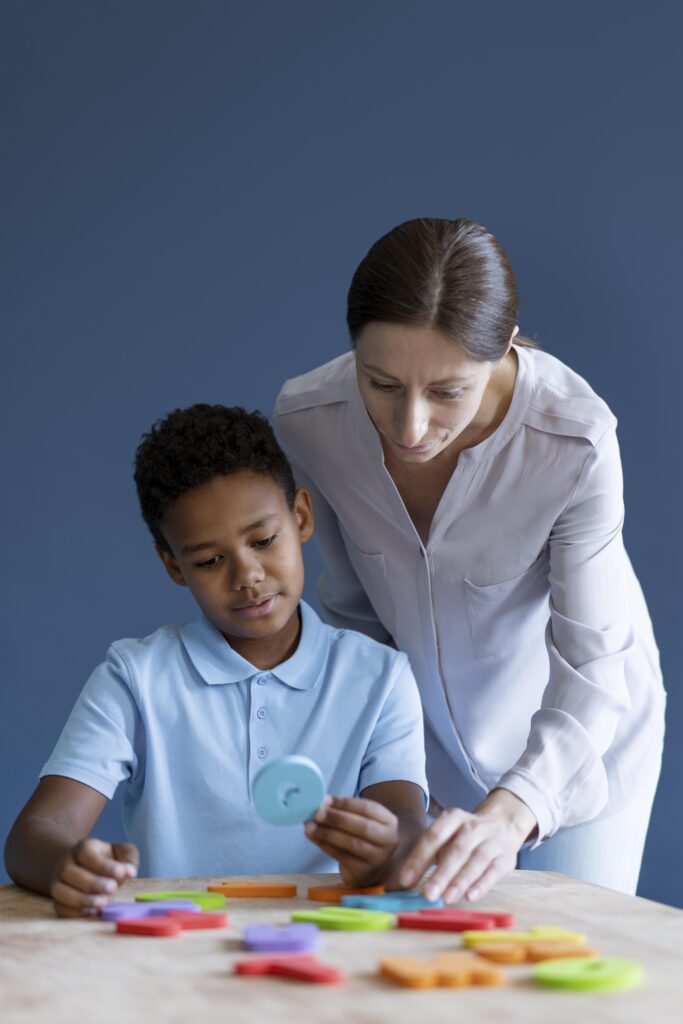
Inside the OT rooms, you’ll find textured mats, zippers and buttons sewn onto fabric boards, weighted pencils, and sensory bins filled with rice or beads. Children here are:
- Practicing tying shoelaces with rubber training shoes.
- Learning how to use adaptive spoons.
- Building hand strength through playdough sculpting.
For some, even sitting still for five minutes is a breakthrough. You might also see children writing their name for the very first time. Every single task like that, even if it seems small, is a giant leap towards their independence.
Speech Therapy: Giving Children Their Voice
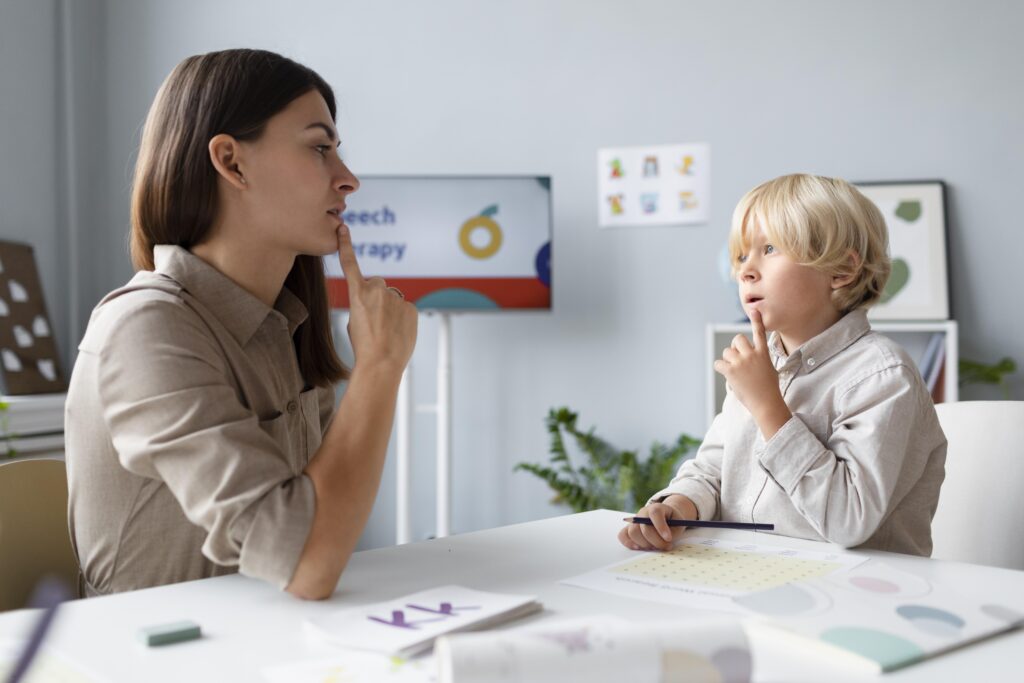
In one room, a therapist holds up picture cards while a preschooler eagerly names the animals. Down the hall, a teenager works with a device that helps him type out messages that are spoken aloud. Speech therapy at pediatric centers isn’t just about talking — it’s about communication in all its forms.
Some children struggle with clarity. Others with language itself. For some, it’s about learning to swallow safely or getting those facial muscles working better. For others, they find their voice through incredible AAC (Augmentative and Alternative Communication) tools to share what they want to say.
A child who once relied on pointing may now say “juice” with confidence. Another might finally respond to “How was school today?” For their parents, that moment — hearing their child express themselves clearly — is everything.
Recreational Therapy: Healing Through Joy
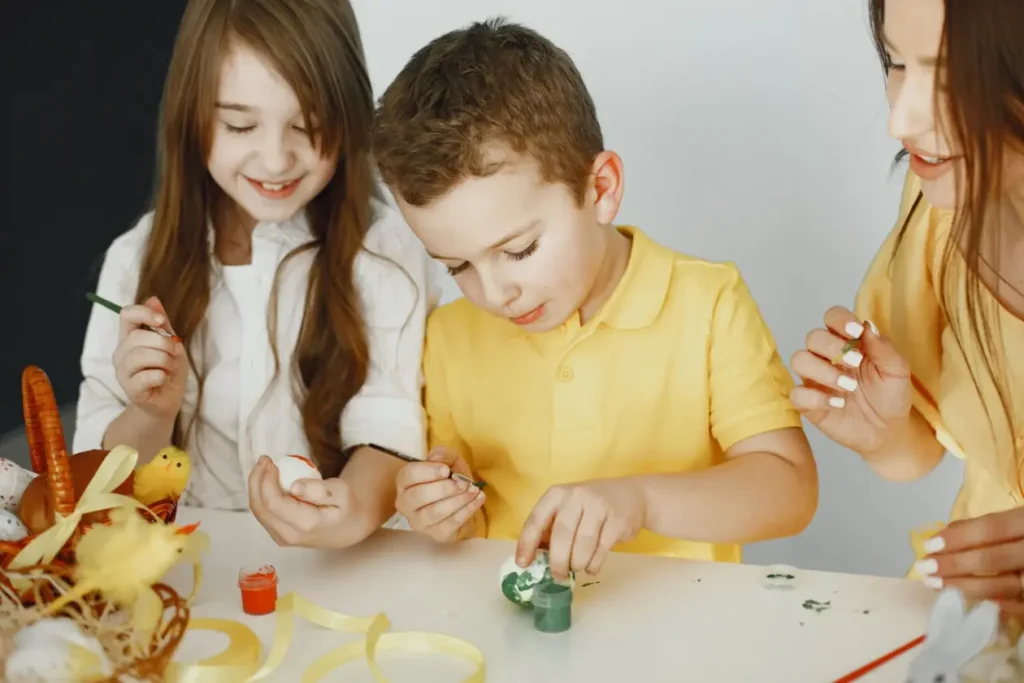
You could walk in on a group of children joyfully painting, their brushes sweeping across the canvas as upbeat music fills the room. Or hear cheers as a child throws a basketball through a lowered hoop with the help of a therapist. Recreational therapy brings joy and spirit into every step of recovery.
Here, children get to:
- Play adapted sports that build coordination and confidence.
- Use art and music to express feelings.
- Take supervised trips into the community to build practical social and life skills.
These aren’t just distractions. They’re therapeutic tools that help kids feel like kids — active, creative, and included.
Play-Based Therapy: Where Real Work Happens in Disguise
Let’s be honest — play is how kids naturally explore and grow. That’s not something therapists try to suppress. They use it.
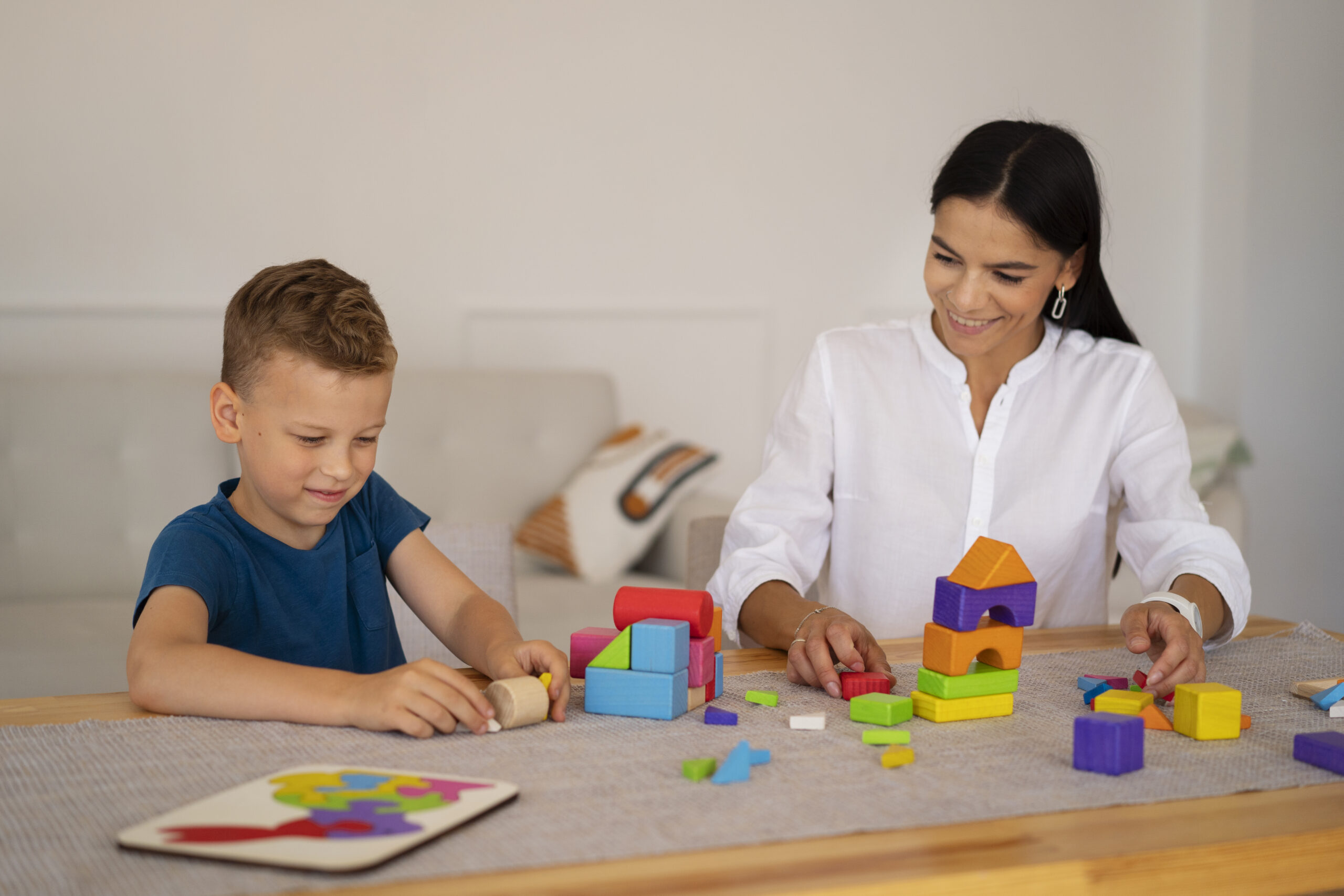
Need a child to build leg strength? Set up an obstacle course. Want to improve hand-eye coordination? Hand them blocks and say, “Build the tallest tower!”
Play-based therapy is as natural as it is effective. Often, the child is too caught up in fun, to realize just how hard they’re working.
Beyond the Sessions: Support for the Whole Family
What goes on beyond the therapy sessions matters just as much. Pediatric centers offer more than services — they offer support systems.
- Parent education: So therapy continues at home.
- Support groups: These offer a safe circle to share stories, emotions, and real understanding with people who truly relate.
- Mental health resources: Because caregiving can be emotionally exhausting.
Nutrition counseling, social work, and transition planning: Because each journey comes with its own practical hurdles.
Families leave with tools, answers, and — maybe most importantly — a little more peace of mind.
The Real Secret? A Team That Works Together
Doctors. Therapists. Psychologists. Case workers. All of them meet, talk, coordinate. Goals aren’t made in silos — they’re built together. That’s how progress stays consistent. That’s how children succeed.
When a speech therapist notices a child struggling with posture, they loop in the physical therapist. If a child starts refusing food, the team consults with a feeding therapist and a psychologist. Everyone’s eyes are on the same prize: helping the child thrive.
Why It Matters
These centers aren’t just places for therapy. They’re places where futures are shaped.
- A toddler learns to walk, and their world gets bigger.
- A teen gains independence, and their confidence soars.
- A family feels seen, heard, and supported.
It’s not always easy. Progress is often slow. But the milestones — when they come — are unforgettable.
Take the First Step
If pediatric rehab seems like it could help your child, please don’t hesitate. Maybe you’ve just started noticing a delay, or perhaps you’ve been on a long journey looking for the right support. Either way, remember this: you absolutely don’t have to navigate it alone.
At Extra steps, we’re here to walk with you. To answer your questions. To celebrate the small wins and tackle the big challenges — together.
Because in this space, what your child can achieve goes far beyond expectations. It’s waiting to be unlocked.
Book a Consultation
It’s easy and free!